
Rehab loans: buy the fixer-upper and finance the repairs in one loan
By John McLaughlin, NMLS 2013969 · Updated
FHA 203(k) and Fannie Mae HomeStyle roll the repair budget into your purchase or refinance. Renovation guidelines differ between lenders, so we compare them across 100+ lenders.
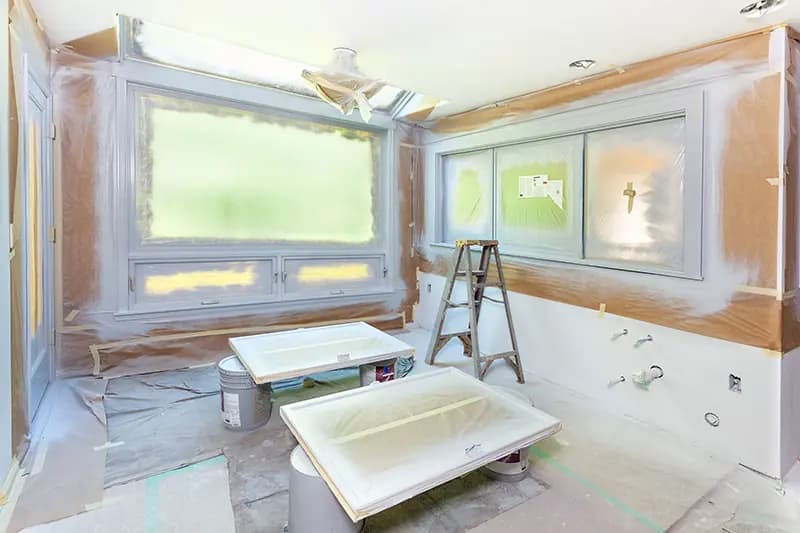
A rehab loan, also called a renovation loan, finances the purchase or refinance of a home and the cost of repairing it in one mortgage. The two main options are FHA's 203(k), where the Limited version covers up to $75,000 of repairs and the Standard version handles larger and structural work, and Fannie Mae's HomeStyle Renovation, a conventional option that can also be used for a second home or a one-unit investment property. The figures here are from HUD's program comparison fact sheet, revised November 4, 2024.
FHA 203(k) or HomeStyle: which is better?
FHA 203(k) fits a home you'll live in, especially with a lower credit score or smaller down payment; HomeStyle fits conventional borrowers and second homes or rentals.
| FHA Limited 203(k) | FHA Standard 203(k) | Fannie Mae HomeStyle Renovation | |
|---|---|---|---|
| Good fit for | Non-structural repairs and updates | Major rehabilitation, including structural work | Conventional borrowers renovating a home they buy or own |
| Repair budget | Up to $75,000; no minimum | At least $5,000; no maximum | On a purchase, up to 75% of the lesser of price plus renovation costs or the as-completed value |
| Consultant | Not required | FHA-approved 203(k) consultant required | Not required; contractors reviewed by the lender |
| Occupancy | One- to four-unit primary residence | One- to four-unit primary residence | Primary residence, one-unit second home or one-unit investment property |
| Contingency reserve | Up to 20% | Up to 20% | Up to 15% |
| Time to finish | Up to nine months | Up to 12 months | Completion confirmed by the appraiser |
USDA guaranteed loans can also include repairs when they're part of buying an existing home, and VA purchase loans can be used to buy and improve a home.
Can I do the repairs myself with a 203(k) loan?
Plan on a contractor. HUD's fact sheet describes 203(k) work done by contractors, licensed where the law requires it, with a consultant on Standard 203(k) projects, so ask before you count on doing work yourself. Fannie Mae HomeStyle is more flexible on one-unit homes: borrowers can do some of their own work, within limits and with the lender's approval, and can be reimbursed for materials and documented contract labor, but not for their own labor.
What can a 203(k) loan pay for?
Limited 203(k) covers non-structural work, including health and safety repairs, modernization, lead-based paint stabilization, wells and septic systems, plumbing, heating, air conditioning and electrical systems, accessibility, new roofing, siding and gutters, fences, walkways and driveways, decks and porches, and kitchen appliances. Standard 203(k) adds structural work, such as foundation repair, structural alterations and reconstruction on an existing foundation. Both can include energy-efficiency and disaster-resilience upgrades.
Florida note on roofs. New roofing is on HUD's list of Limited 203(k) repairs. In Florida, a roof's condition can decide whether a home can be insured, so ask your insurance agent early whether the home can be insured as it is. If the roof is the problem, a new roof can go in the repair budget.
Is it hard to get an FHA 203(k) loan?
It's more steps than a regular FHA loan rather than a higher bar. You still meet FHA's credit and income standards, and you add a scope of work, contractor bids, a consultant on Standard projects, and draw inspections during the work. The home must be an existing property completed at least one year ago and, for 203(k), your principal residence.
The downsides are the extra people and paperwork, more time before closing while bids are finalized, and repair money paid out in draws rather than as cash at closing.
How does a rehab loan work?
- Find the home and scope the work. You'll need a contractor's proposal and cost estimate. On a Standard 203(k), the consultant writes up the work.
- Appraisal. The appraiser estimates the home's value after the planned repairs, based on the work write-up or contractor's proposal.
- Approval and closing. The lender approves the loan for the purchase or payoff plus the repair budget.
- Renovation. Repair funds go into an escrow account and are paid out in draws as the work is done. Up to 50% of material costs can be drawn up front.
- Completion. The work is signed off and the final draw is released.
What do borrowers say about McLaughlin Mortgage?
Featured reviews are the most recent 5-star reviews that don't mention specific rates, payments, savings, costs or closing timelines, for loans closed since McLaughlin Mortgage LLC was formed in 2022. Individual experiences vary, and your loan terms will depend on your circumstances. Read every review.

4.96 out of 5 from 28 reviews. Read every review on Zillow

5.0 out of 5 from 14 reviews. Read every review on Google
We really appreciated the opportunity to work with John and his team. Before we even committed to working with John, he called us one evening and spoke to us for over an hour about the options to us. He then scheduled a Zoom call to further show us tools and resources for the mortgage market, and was able to demystify a topic that was previously challenging to us as first-time home buyers! After we made the decision to work with him, we greatly appreciated the regular email updates and services available to us. Thank you for being a financial partner in this investment journey for us!
AMAmy M
Tallahassee, FL
5 of 5 starsJohn was great to work with throughout my home buying process. He stayed engaged, responsive, and worked hard to make sure everything came together. I appreciated his persistence and dedication in getting my loan to the finish line. I’m grateful for his help and would recommend him to others going through the mortgage process.
LKL Kindred
Tallahassee, FL
5 of 5 starsWe had an excellent experience working with John as our loan officer. As first-time homebuyers, we had countless questions, and John guided us through every step with patience and expertise. His deep knowledge of the mortgage process made us feel confident that we were making the best choice for our family. John took the time to explain all the different options and variables, ensuring we felt informed and prepared throughout the entire process. If you’re looking to buy a home, John would be an incredible asset to have on your team.
TBTory Brooks
Tallahassee, FL
5 of 5 stars
Get your rehab loan quote
Your contractor's bid and scope of work have to be done before closing, so line up the loan while you line up bids. One application with us compares 203(k) and HomeStyle lenders across 100+ lenders. There's no application fee or broker fee, and we respond the same business day.
Prefer to talk it through? Book a Strategy Session. Related: FHA loans, construction loans for building new, and the home inspection checklist.
Program facts checked November 17, 2026. We aren't HUD or FHA and aren't acting on behalf of any government agency.
Sources
- HUD: Program Comparison Fact Sheet, FHA 203(k), Fannie Mae HomeStyle and Freddie Mac CHOICERenovation (revised November 4, 2024)
- HUD Handbook 4000.1, II.A.8.a: 203(k) Rehabilitation Mortgage Insurance Program
- HUD: 203(k) rehabilitation mortgage insurance
- Fannie Mae: HomeStyle Renovation
- USDA Rural Development: Single Family Housing Guaranteed Loan Program (repairs with purchase)
- VA: Purchase loan (buy and improve a home)