Mortgage and home buying guides
Plain-English answers from John McLaughlin (NMLS 2013969) to the questions buyers and homeowners ask most: pre-approval, which loan fits, down payment help, closing costs and life after closing.

Earnest Money Deposits: How Much, Who Holds It, Refunds
Earnest money is the deposit you make when your offer is accepted to show you're serious. NAR says it typically runs 1% to 10% of the price. A neutral escrow agent holds it, it's credited toward your costs at closing, and your contract decides whether you get it back.

Can I Afford a Mortgage? How Lenders Decide
You can afford a mortgage when the full payment, with Florida taxes and insurance, fits your budget and your debt-to-income ratio fits the loan program. Here's how to check both.
How Does a Mortgage Work? The Basics Explained
A mortgage is a loan secured by your home. You repay it monthly over a set term, usually with property taxes and insurance added, and early payments go mostly to interest.

5 Types of Real Estate Insurance Homeowners Need to Know
Homeowners insurance and, in many Florida homes, flood insurance protect the house. Owner's title insurance protects your ownership. Landlord and umbrella policies cover rentals and liability.
What Is a Home Warranty? Coverage and Limits
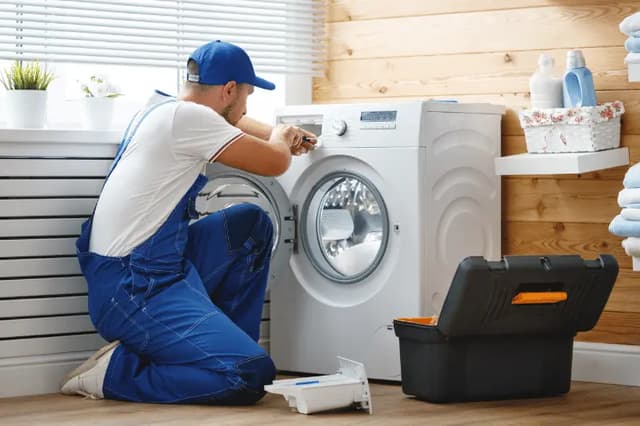
A home warranty is a service contract that pays to repair or replace covered systems and appliances that fail from wear and tear. It isn't homeowners insurance, and in Florida the company must hold a state license.
How Does Escrow Work? Earnest Money and Escrow Accounts
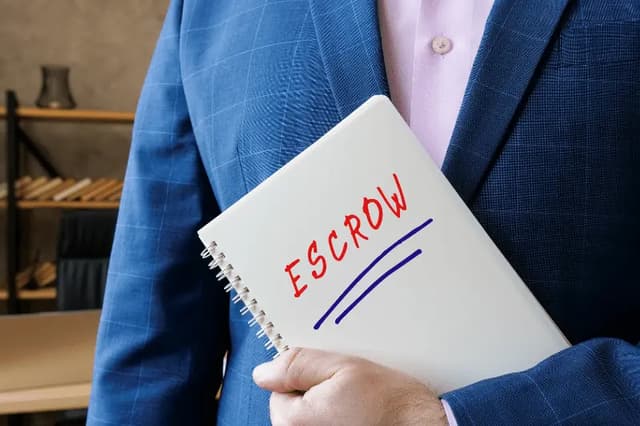
Escrow means a neutral party holds money until it's due. Before closing it holds your earnest money; after closing, your servicer's escrow account pays your property taxes and homeowners insurance.

How to Improve Your Credit Score Before Buying a House
Check your reports for errors, pay every bill on time, and bring card balances down relative to your limits. Those steps address the biggest parts of your score; then avoid new credit until after closing.

Documents to Keep After You Buy a Home
Keep your Closing Disclosure, deed, title policy and improvement receipts while you own the home and until the IRS limitation period ends for the year you sell. Keep the payoff release forever.

Homeowner Taxes and What to Do With a Refund
If you itemize, you can deduct mortgage interest and property taxes within IRS limits. In Florida, the homestead exemption saves more for most owners, and you must file for it by March 1.

What Happens After Your Offer Is Accepted
Once your offer is accepted, the contract's deadlines start running: deposit your earnest money, send the contract to your lender, schedule inspections, line up homeowners and flood insurance, and work through the appraisal and underwriting to clear to close.

How to Shop for a Home: A Step-by-Step Guide
Set your budget and get pre-approved first, then list what you need, choose who will help you, tour with a checklist, and read the disclosures before you make an offer.

First-Time Home Buyer Checklist: 10 Steps
Ten steps for first-time buyers in Florida, from credit and budget through Hometown Heroes, pre-approval, the offer, inspection, appraisal and closing, plus the homestead filing after you move in.

Ready to get pre-approved?
Rates move every business day, so get pre-approved now to see what you qualify for today. We respond the same business day.