Mortgage and home buying guides
Plain-English answers from John McLaughlin (NMLS 2013969) to the questions buyers and homeowners ask most: pre-approval, which loan fits, down payment help, closing costs and life after closing.

What Is Cash to Close? How to Figure Your Amount
Cash to close is the total you bring to closing: your down payment plus closing costs, minus your earnest money, seller credits and lender credits. In Florida it includes state taxes on the mortgage set by law.

How to Get Preapproved for a Mortgage
To get preapproved, apply with a lender, authorize a credit check, and send documents that verify your income, assets and debts; the lender then issues a letter showing how much you can borrow. Once your documents are in, we issue it the same business day.

5 Ways to Save for a Home Down Payment
Set a target from the loan you'll actually use, automate your savings, and add the gifts and Florida assistance you qualify for. Most first-time buyers put down far less than 20%.

What First-Time Home Buyers Need to Save For
Beyond the down payment, first-time buyers need cash for earnest money, inspections, closing costs including Florida's mortgage taxes, prepaid items, moving and the first repairs.

How to Choose Where to Buy a Home
The right location fits your full budget, taxes and insurance included, your daily routine and your tolerance for flood risk. The county, the city line and the exact address can also change which programs you can use.
Should I Buy or Rent? How to Decide
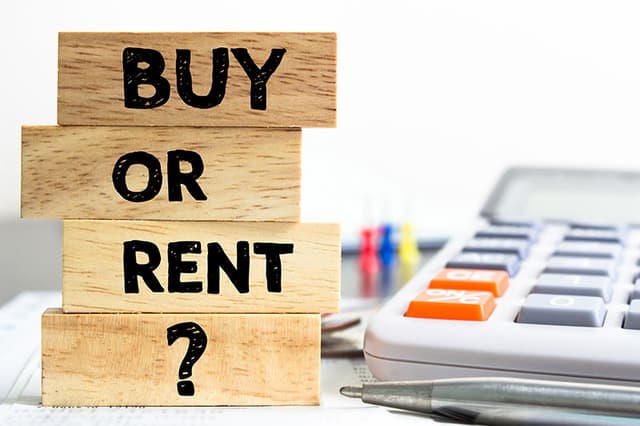
Buying usually makes more sense when you'll stay several years, have savings beyond the down payment, and the full monthly cost of owning fits your budget. Renting makes more sense when you may move soon or need flexibility.
What Is an Appraisal Contingency?
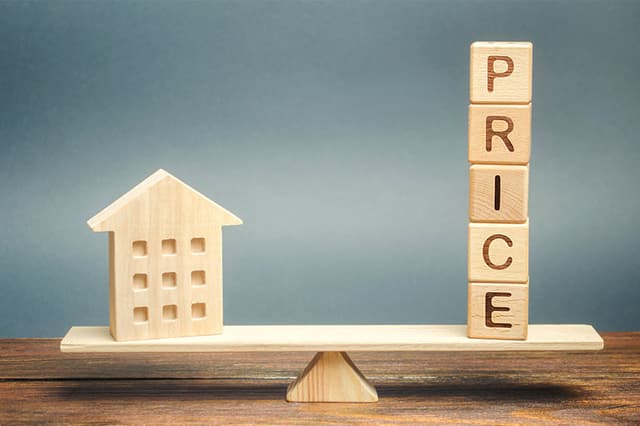
An appraisal contingency lets you renegotiate or cancel the purchase and keep your earnest money if the home appraises below the price, as long as you act by its deadline. Here are your options after a low appraisal and the risk of waiving it.

How Much Income Do I Need to Buy a House?
There's no minimum income to buy a house. Lenders check that your income is stable and documented and that your debts, including the new payment, fit the program's debt-to-income limit.
Popular Home Loans: A Guide to Purchase Loans
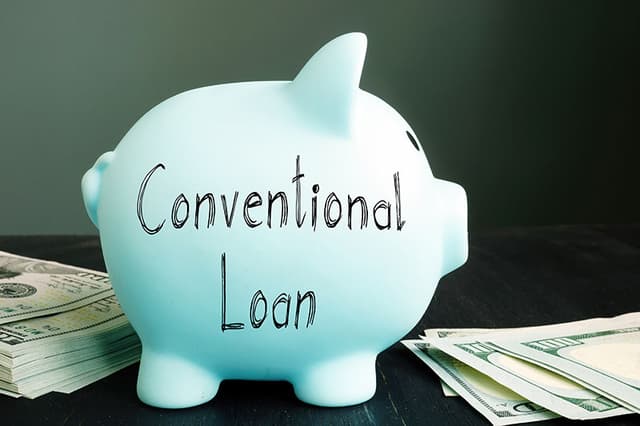
The most common purchase loans are conventional, FHA, VA, USDA and jumbo. Here's who each fits, the 2026 loan limits, and the specialty loans for self-employed buyers, investors and builders.

What You Need to Know About Cosigning a Mortgage
A cosigner signs the mortgage note and is fully responsible for the debt. Lenders count their income, debts and credit with yours, which can help you qualify, but it's a serious, long-term commitment for them.

Do I Need a Realtor to Buy a House?
You don't need a Realtor to buy a house, but 90% of buyers use an agent, and since August 2024 you sign a written agreement that states the agent's pay before you tour homes together.

Home Appraisal Checklist: What Buyers Should Know
An appraisal is an independent estimate of a home's value that your lender orders to make sure the home supports the loan. You get a free copy no later than three business days before closing.

Ready to get pre-approved?
Rates move every business day, so get pre-approved now to see what you qualify for today. We respond the same business day.